Remote and Hybrid Accounting Is Our New Reality
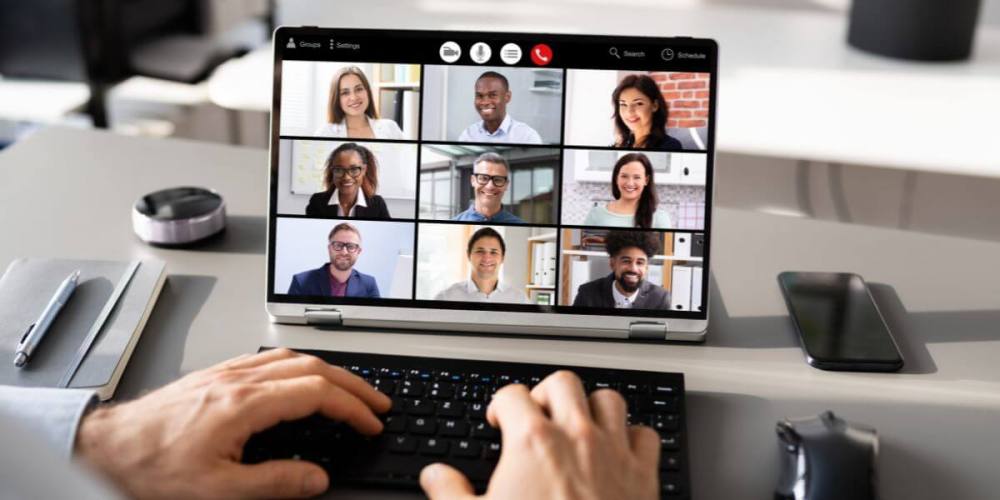
Remote and hybrid accounting work models are no longer trends—they’re the new reality. But what is hybrid accounting, exactly? It’s the flexible blend of remote and in-office work that’s transforming how firms operate.
Find out how you can benefit from a remote workforce and find ways to make it work for everyone in your firm.
Table of Contents
- Why Consider a Remote or Hybrid Workforce?
- 3 Considerations for a Successful Hybrid Work Model
- Embrace the Future of Work
Why Consider a Remote or Hybrid Workforce?
Three reasons remote work makes sense:
- Hire the best people, period. Why limit yourself to who lives nearby? Going remote means choosing from thousands of qualified candidates instead of dozens. You’ll find better skills, fresh perspectives, and people who truly fit the role—no matter their zip code.
- Save money, work smarter. Smaller offices mean lower rent. Fewer desks mean less equipment. Plus, with employees spread across time zones, someone’s always available to help customers. Your California team can handle late requests while your New York team enjoys dinner.
- Happy employees do better work. No commute means no rush-hour stress. Working from home means people can focus without office distractions. When employees can walk their dog at lunch or attend their kid’s school play, they’re grateful—and it shows in their work.
3 Ways Employers Win with Remote Work
Let’s get specific about what remote work means for your bottom line:
- Extended support coverage. Don’t let multiple time zones scare you off. They’re actually a huge advantage. Your employees can either work a standard 9-to-5 in their own time zone or adjust to match yours—it’s flexible. Here’s a real-world example: Say you’re on the East Coast, keeping 9-to-5 hours. An employee in the Pacific Time Zone might prefer starting at 6:00 a.m. their time, while someone in the Central Time Zone starts at 8:00 a.m. The result? You’ve got coverage stretching across more hours of the day.
- New regional perspectives. When you hire people from different parts of the country, you’re not just filling positions—you’re gaining insider knowledge of new markets. Think about how different a bustling metro area is from a small rural town. Employees from each area bring unique insights that can shape your marketing strategies and help you connect with audiences you might have missed otherwise. Plus, having sales staff spread across different states can directly boost revenue in those regions.
- Reduced operating costs. Let’s talk savings. With a remote or hybrid team, you don’t need a massive office space. Even hybrid setups let you lease something much smaller since not everyone’s there at once. You’ll also slash costs on electricity, internet, and all those office perks like keeping the kitchen stocked with coffee and snacks. And once you make the leap to running applications in the cloud, it means getting rid of in-office servers, virtually eliminating the cost of maintaining and updating an internal network.

3 Ways Employees Win with Remote Work
Beyond the obvious perks, here’s what remote work really means for your team:
- Say goodbye to commute stress. Let’s be honest—long commutes are draining. When you hire remotely and offer flexible work options, you’re giving your team their time back. No more sitting in bumper-to-bumper traffic for an hour each way. Your employees aren’t starting their workday already stressed out, which means they show up (virtually) ready to do their best work.
- Flexibility that actually works. Here’s where remote and hybrid work really shines: real flexibility. Your team can weave work into their day instead of being chained to a desk from 9 to 5. Need to run to a doctor’s appointment at 2 p.m.? No problem. Want to catch your kid’s soccer game at 4? Go for it. Employees don’t have to awkwardly ask permission to leave the office—they just manage their time like the adults they are. And if you’re not requiring strict working hours, people can work during their peak productivity times. Early birds can knock out tasks at 6 a.m., while night owls can hit their stride after dinner. The result? Better work in less time, and everyone feels trusted and respected.
- Create an ideal work environment. Remote work means your employees can design a workspace that actually works for them. Whether it’s a quiet home office, a cozy corner with natural light, or even a local coffee shop, they’re in control. No more freezing under aggressive AC, dealing with noisy coworkers, or squinting under harsh fluorescent lights. When people are comfortable in their environment, they’re more focused, more creative, and genuinely happier throughout the day.
So, what is hybrid accounting? It’s truly a win-win situation—both employees and employers reap significant benefits from remote and hybrid work models. But perhaps the most valuable outcome? Higher retention rates.
When people feel valued and trusted, they’re naturally more engaged in their work—they also become your best recruiters, attracting other top-tier talent who want to be part of a culture that truly values its people. And let’s talk dollars and cents: Between separation, recruitment, and productivity costs, replacing an employee who jumps ship can cost anywhere from 30% to 150% of their annual salary. Remote and hybrid flexibility helps you avoid those costly turnovers altogether. It’s a positive cycle that keeps building on itself.
3 Considerations for a Successful Hybrid Work Model
Working in a hybrid system presents unique challenges that differ significantly from either full-time remote or full-time office work. Here are key considerations for developing an effective hybrid work model:
1. Technology Infrastructure
If your organization doesn’t get technology right, nothing else will work. Your employees need access to critical applications and data from anywhere at any time—whether in the office, at home, or even while traveling.
When you run your business applications in the cloud, you give everyone in your organization access to whatever they need whenever they need it—without compromising security. In fact, the right cloud provider will offer the same level of security big banks enjoy. That includes using world-class data centers and having expert staff in place to keep your systems constantly updated and your data safe.
You can further bolster security by partnering with a cloud provider that protects the devices your workers use every day (e.g., laptop computers), wherever your employees use them. The same provider can also train your employees to avoid security risks.
With document management in the cloud, you and your employees will always know where to find critical files, as well as the status of those files. Keeping them secure in the cloud lets you set up customized workflows to track projects from creation to completion. This way, your organization can eliminate errors, master version control, and have updates immediately at hand. You can also generally improve both efficiency and client service.
To learn more about hybrid work tools for accounting firms, check out the 5 Best Tools for Remote Work That Every Professional Needs.
2. Office Environment Considerations
When employees work in both office and home settings, ensure the office environment matches home office comfort levels as closely as possible.
Employees can typically transport company-issued laptops and cell phones between locations. However, consider other equipment like monitors, mice, and peripherals. Low-touch items like monitors and speakers can be shared among employees on different schedules.
High-touch peripherals like mice and headphones present a challenge. Most employees won’t want to share these items. Decide whether employees should transport them daily or whether to provide separate equipment for each person’s office use.
Consider office space utilization in a hybrid model. Having employees share offices or cubicles when working on different schedules can reduce costs, though you may need to limit personal customization to maintain a shared workspace.
3. People Management in a Hybrid Environment
The reason most employees will come into the office in a hybrid model is to collaborate and chat with coworkers. There will likely be different groups of employees who see each other on different days, while others might work at home full-time or close to it, only coming in once or twice a month. Even with all these disparate schedules, there are several ways to keep everyone working in harmony.
First, if possible, have set days when everyone comes to the office. Once a month might be enough. Fully remote workers outside your geographical area can either travel or dial in remotely. But the idea is to get as many people meeting face-to-face as possible.
Training and celebrations bring teams together. Collaboration-focused training should go beyond how to use video conferencing tools like Zoom or Microsoft Teams. Those are important topics to cover. However, you might also consider discussing:
- How to promote participation during meetings
- How to make sure people keep in touch when they’re not in the office together regularly
- How to foster a sense of identity among team members both virtually and in person
When things go well, celebrate as a group. Get everyone involved, whether in person or remotely, for big celebrations. For smaller celebrations, send an email or direct message to everyone in the organization. And don’t make it all work-related. Did a coworker’s kid hit a home run in a baseball game? Let everyone know!
Some other things to consider as your budget allows:
- Send company-branded swag (sweatshirts, notebooks, pens) in advance of get-togethers
- Create a standard birthday package to send to employees on their birthdays
- Send out seasonal goodies to celebrate big holidays
Embrace the Future of Work
Remote and hybrid work have become permanent fixtures in the modern workplace. Advancements in technology have made flexible work arrangements a viable option across many industries.
Don’t miss out on the benefits of expanding your team to include remote employees and implementing hybrid work models—from hiring the most qualified candidates and providing a sustainable work-life balance to engaging your employees with an ever-improving culture.
It’s time to reimagine how and where work gets done. When you run your applications and protect your data in the cloud, and when you manage your physical space as effectively as you manage your people, you can make remote and hybrid models work for both you and your employees.